




- Project Overview & Timeline
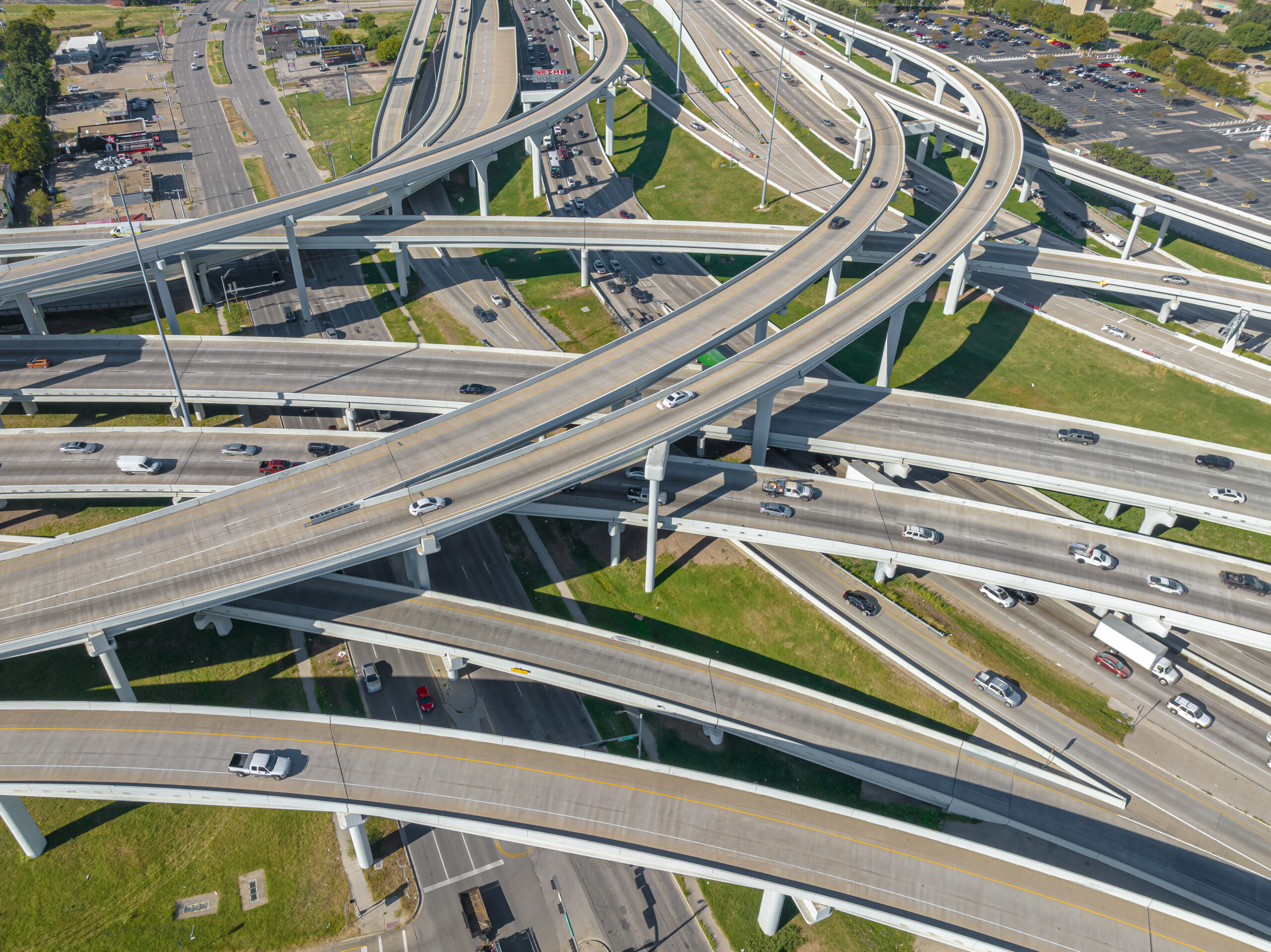
The NHHIP is a massive, multi-decade undertaking to reconstruct I-45N from Beltway 8 into Downtown Houston. The project is divided into three primary segments, with Segment 3 (The Downtown Loop) directly impacting the CBD:
- Segment 3 Scope: Reconstruction of the downtown freeway loop system, including I-45, I-10, I-69, and SH 288.
- Key Realignment: I-45 will be rerouted from the west side of downtown to run parallel with I-10 and I-69 on the north and east sides.
- Timeline:
- Construction Start: Early phases are already underway or beginning in 2026.
- Segment 3 Completion: Targeted for approximately 2030.
- Full Project Completion: Expected by 2038, with some peripheral work potentially lasting into the 2040s.
- Current Market Context (Houston CBD)
As of Q3 2025, the Houston CBD office submarket is facing significant headwinds:
- Vacancy Rate: 31.9% (Partners Real Estate), significantly higher than the metro average of 26.3%.
- Market Sentiment: High vacancy is driven by a “flight to quality” and the ongoing adoption of hybrid work models, which have led many large occupiers to right-size their footprints.
- Potential Impacts During Construction (2026–2030)
The construction phase is likely to create a period of “negative demand” for the CBD:
- Disruption and Accessibility: Major rerouting and lane closures may deter tenants who prioritize easy employee commutes. History shows that urban businesses can see a decrease in sales and employment during major infrastructure rehabilitation.
- Vacancy Pressure: Tenants with upcoming lease expirations may choose to relocate to more accessible submarkets (like the Katy Freeway or Energy Corridor) to avoid years of traffic congestion. This could push CBD vacancy rates toward the 33%–35% range as “nuisance” factors outweigh the benefits of a central location.
- Stagnant Absorption: While Class A “Trophy” assets may remain resilient, older Class B and C properties in the CBD will likely see increased vacancy as they lack the amenities to overcome the construction hurdles.
- Post-Project Outlook (2030 and Beyond)
Once completed, the NHHIP is expected to be a major catalyst for urban revitalization:
- Improved Connectivity: The removal of the “Pierce Elevated” and the addition of managed lanes will significantly improve traffic flow and reconnect the CBD with Midtown and East Downtown (EaDo).
- Enhanced Public Realm: Potential “cap parks” (like the proposed 30-acre park over I-69) and new trails will improve the quality of life, making the CBD more attractive to the “Millennial” and “Gen Z” workforce.
- Property Value Appreciation: Historically, commercial properties near major highway improvements see a 10%–20% increase in value and higher rental rates once accessibility is restored and enhanced.
- Forecast: Vacancy Rate Trajectory
A reasonable forecast for the CBD office market suggests a “U-shaped” recovery:
- Phase 1 (2026–2029): Vacancy likely peaks as construction disruptions intensify. Expect vacancy to hold or rise slightly (forecasted 32%–34%).
- Phase 2 (2030–2032): As Segment 3 completes, accessibility improves. We expect a “bounce back” in leasing activity as the CBD becomes the most modernized and accessible hub in the region.
- Phase 3 (Long-term): If the project successfully integrates green spaces and improves the pedestrian experience, vacancy could gradually compress toward the metro average (which is forecasted to be near 20%) by the mid-2030s.
Steve Triolet
Senior Vice President of Research and Market Forecasting
[email protected]
tel 214 223 4008